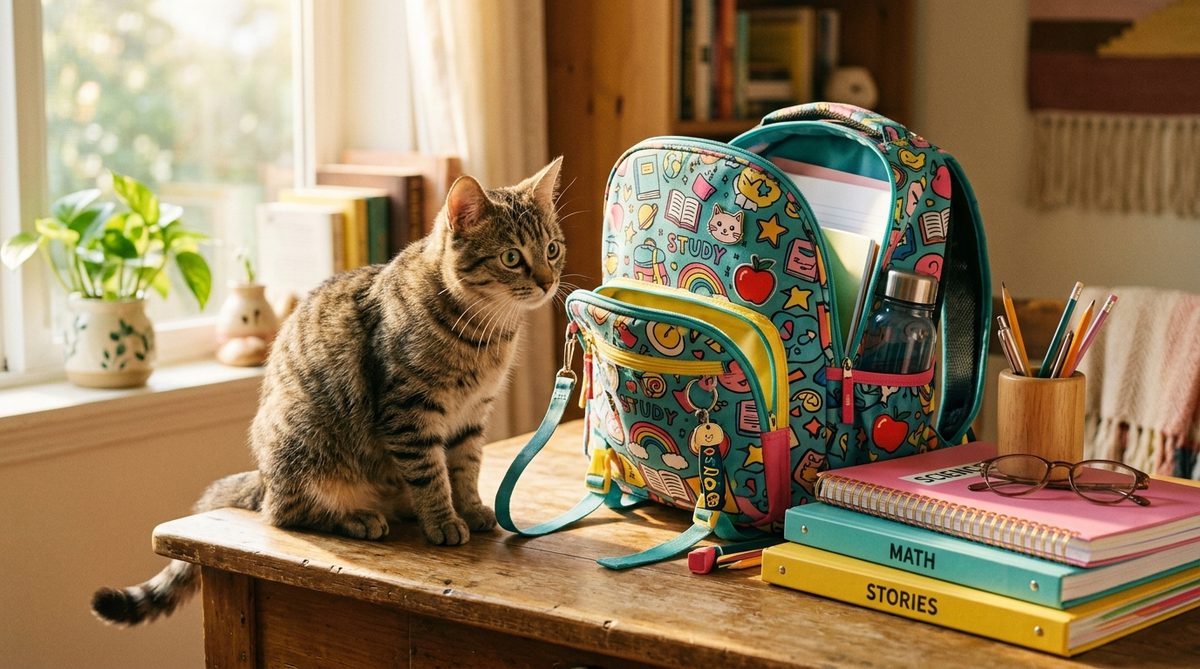
Why Back-to-School Season Triggers Feline Stress
When summer ends and back-to-school season arrives, human routines shift dramatically. Quiet houses suddenly buzz with early morning alarms, rustling backpacks, and quick departures. For months during summer, your cat enjoyed constant companionship, open doors, and frequent attention. Suddenly, they find themselves alone for 8 to 10 hours a day.
Cats are creatures of habit who derive emotional security from environmental predictability. Sudden schedule shifts disrupt their biological clock, frequently leading to separation anxiety, vocalization, litter box accidents, or overgrooming.
Learning how to help your cat adjust to a back-to-school schedule before classes start will prevent distress and ensure a peaceful transition for both your feline friend and your family.
Signs of Separation Anxiety in Cats
Unlike dogs who may howl at the door, feline stress can be subtle and easily overlooked. Watch for these common indicators of back-to-school cat anxiety:
- Excessive Vocalization: Meowing loudly when family members prepare to leave or return.
- Litter Box Avoidance: Urinating outside the litter box (often on backpacks, beds, or clothing belonging to absent family members).
- Overgrooming: Licking paw pads or flanks until hair thins or skin turns raw.
- Clingy or Hiding Behavior: Following owners closely in the morning or retreating under furniture once the house empties.
- Destructive Scratching: Clawing at doorframes, window sills, or carpets near exit doors.
10 Ways to Help Your Cat Adjust to Back-to-School Schedules
1. Transition Feeding Times Gradually
If your cat was fed at 9:00 AM during summer, shifting their breakfast to 6:30 AM on day one of school will cause digestive confusion and morning anxiety. Begin shifting mealtime 15 minutes earlier every two days in late August so their internal clock adapts smoothly.
To maintain consistent meal times even on hectic mornings, consider using an automatic pet feeder like the PETLIBRO Granary Automatic Feeder.
2. Establish a Low-Key Departure & Arrival Routine
Making a fuss over departures with long hugs and emotional goodbyes reinforces to your cat that leaving is a major event. Keep departures calm and neutral. Simply step out without fanfare. When returning home, wait a minute for your cat to settle down before greeting them calmly.
3. Introduce Independent Daytime Enrichment
Boredom amplifies anxiety. Provide self-play toys, puzzle feeders, and treat-dispensing balls that keep your cat mentally engaged while the house is empty. Hiding small treats around their climbing areas creates a fun hunting game that distracts them during peak departure hours.
4. Install a Window Perch for Bird Watching
Vertical vantage points give cats visual stimulation and a sense of territorial security. Mounting a sturdy suction-cup perch (see our guide to the best cat window perches) near a bird feeder or busy garden provides hours of natural "cat TV" while you're away.
5. Use Calming Synthetic Pheromone Diffusers
Pheromone diffusers (such as Feliway Classic) plug into wall outlets and emit odorless synthetic facial pheromones that mimic a cat's natural soothing scent markers. Plug one into the room where your cat spends most of their daytime hours 1 to 2 weeks before school starts.
6. Leave Behind Comfort Scents
Cats communicate heavily through olfaction. Placing a worn t-shirt or cozy fleece blanket with a family member's scent inside your cat's favorite sleeping spot provides comforting reassurance throughout the day.
7. Keep Litter Boxes Impeccably Clean
Stress reduces a cat's tolerance for dirty litter boxes. When family members are away, an uncleaned box can trigger inappropriate elimination. Automated self-cleaning litter boxes like the Litter-Robot 4 ensure your cat always enters a fresh bed of litter after every use.
8. Create Dedicated Quality Time Upon Return
Schedule 10 to 15 minutes of undivided interactive play (using feather wands, laser pointers, or kicker toys) as soon as kids return from school or work. Following play with a small meal mimics their natural hunt-eat-groom-sleep cycle, leaving them relaxed for the evening.
9. Provide Ambient Noise & Soft Lighting
A dead-silent house can heighten anxiety when outdoor noises occur. Leaving a radio tuned to classical music, a soothing podcast, or a cat-friendly white noise channel helps mask outside sounds and creates a reassuring environment.
10. Maintain Weekend Consistency
Avoid sleeping in 4 hours later on weekends during the transition period. Keeping weekend feeding and play schedules aligned with weekday routines prevents "schedule jet lag" and maintains your cat's emotional stability.
Transition Timeline Cheat Sheet
| Timeline | Action Items |
|---|---|
| 2 Weeks Before School | Plug in calming pheromone diffusers; start shifting meal times 15 mins earlier. |
| 1 Week Before School | Practice short 1 to 2 hour departures; set up window perches and daytime puzzle toys. |
| First Week of School | Keep departures neutral; provide 15 mins of interactive play immediately upon returning. |
Summary
Back-to-school cat anxiety is common, but with proactive preparation, your cat can adapt smoothly to your family's new rhythm. Start small by adjusting feeding schedules and creating engaging daytime spaces before classes begin.
Check out our guide to Cat Coat Care & Grooming Essentials for more tips on keeping your cat healthy and happy year-round!