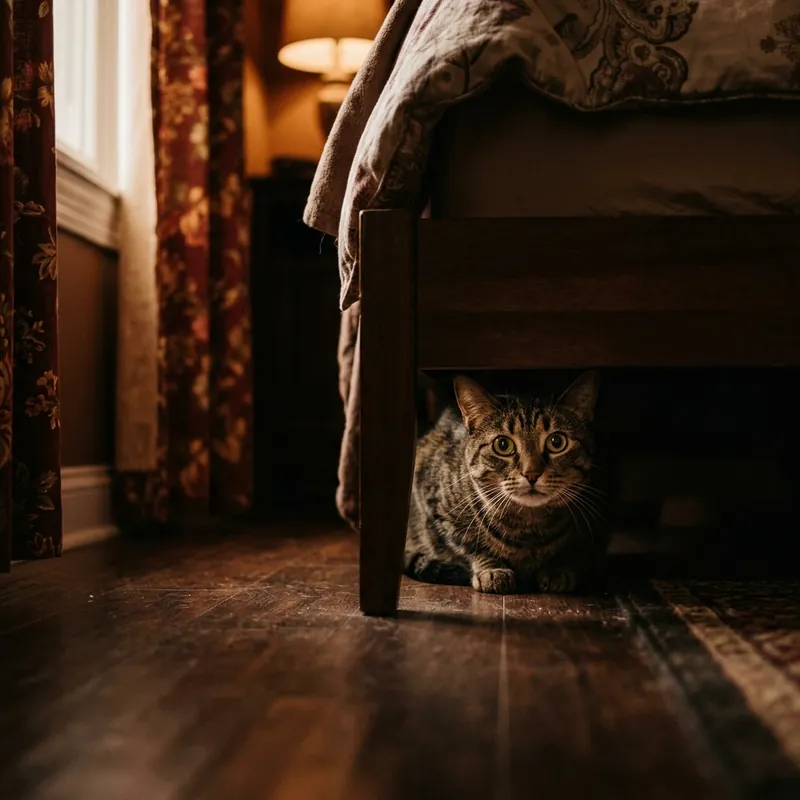
A staggering 30% of cats exhibit anxiety-related behaviors, and if you're reading this, chances are your feline friend is one of them. You've probably noticed subtle changes in their behavior, but perhaps you're not sure what's causing them or how to address the issue. Cat anxiety can manifest in various ways, making it challenging to identify and tackle. In this article, we'll delve into the world of cat anxiety, exploring its common signs, triggers, and most importantly, ways to create a calming environment for your beloved pet.
Introduction to Cat Anxiety
Cat anxiety, also known as feline anxiety disorder, is a common condition that affects cats of all ages and breeds. It's essential to understand that cats, like humans, can experience stress and anxiety due to various factors, including changes in their environment, medical issues, or even past traumas. If left untreated, cat anxiety can lead to more severe problems, such as depression, aggression, and decreased quality of life. Try this: take a few minutes to observe your cat's behavior, and see if you can identify any patterns or changes that might indicate anxiety.
Common Signs of Cat Anxiety
So, how do you know if your cat is anxious? Here are some common signs to look out for:
- Hiding or avoidance behaviors
- Overgrooming or excessive scratching
- Aggression, such as hissing, growling, or swatting
- Changes in appetite or sleep patterns
- Pacing or restlessness
Identifying Anxiety Triggers
Once you've identified the signs of anxiety in your cat, it's essential to determine the underlying causes. Common triggers include changes in the household, such as a new pet or family member, moving to a new home, or even a change in your work schedule. Try to think about any recent changes that might be affecting your cat's behavior. If you've recently introduced a new litter box, for instance, it could be causing your cat stress. Consider reading our article on How to Transition Your Cat to an Automatic Litter Box to make the process smoother for your feline friend.
Triggers for Cat Aggression
Cat aggression is often a manifestation of underlying anxiety. If your cat is feeling anxious or stressed, they may become aggressive as a way to cope. Common triggers for cat aggression include:
- Changes in their environment, such as a new pet or person
- Medical issues, such as pain or discomfort
- Fear or anxiety, such as during thunderstorms or fireworks
- Protecting their territory or resources
Managing Aggression
If your cat is exhibiting aggressive behavior, it's crucial to manage the situation carefully to avoid escalating the problem. Try to identify the trigger and remove it, if possible. Provide your cat with a safe space, such as a quiet room or a separate area, where they can retreat if feeling overwhelmed. You can also try using pheromone products or calming aids, such as Feliway, to help reduce your cat's stress levels. Remember to always consult with your veterinarian before introducing any new products or medications.
Creating a Calming Environment
Creating a calming environment is essential for reducing your cat's anxiety levels. Here are some tips to get you started:
- Provide a quiet and comfortable space for your cat to retreat to
- Use calming aids, such as pheromone products or calming music
- Ensure your cat has access to plenty of hiding spots and vertical space
- Maintain a consistent routine and provide plenty of playtime and exercise
Tips for a Stress-Free Home
Creating a stress-free home is not just about your cat; it's also about you. When you're feeling calm and relaxed, your cat is more likely to feel the same way. Try to maintain a consistent routine, and make time for play and relaxation. You can also try using calming aids, such as essential oils or meditation, to reduce your own stress levels. Remember, a calm and happy you equals a calm and happy cat.
Professional Help for Cat Anxiety
If your cat's anxiety persists or worsens, it's essential to seek professional help. Your veterinarian can help you identify the underlying causes of your cat's anxiety and provide guidance on the best course of treatment. This may include medication, behavioral therapy, or a combination of both. Try to work closely with your veterinarian to develop a treatment plan that works for you and your cat. Don't hesitate to reach out for help; your cat's mental health is just as important as their physical health.
In conclusion, cat anxiety is a common condition that can have a significant impact on your cat's quality of life. By understanding the common signs, triggers, and ways to create a calming environment, you can help your cat feel more relaxed and secure. Remember, every cat is different, so it's essential to work with your veterinarian to develop a personalized plan for your feline friend. With patience, love, and the right guidance, you can help your cat overcome anxiety and live a happy, healthy life. So, take the first step today, and give your cat the gift of a calm and peaceful home. Check out our website for more tips and advice on cat care, and don't forget to read our article on How to Keep Your Cat Hydrated in Summer to ensure your cat stays happy and healthy all year round.