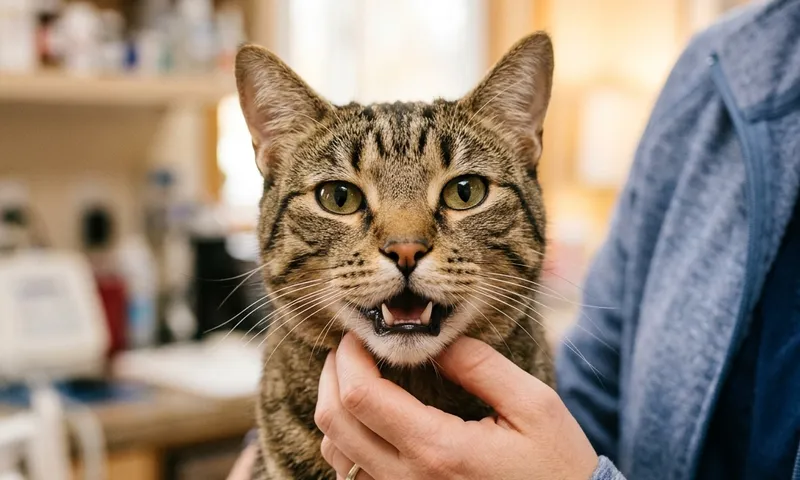
Here's a stat that shocks most cat owners: 70% of cats show signs of dental disease by age 3. That includes gingivitis, tartar buildup, tooth resorption, and infections that can spread to the kidneys and heart. The worst part? Cats are masters at hiding mouth pain — they'll eat through cracked teeth and inflamed gums without so much as a whimper.
The good news: you can prevent most of this at home. You don't need a veterinary degree or a cat that sits still on command (neither exists). Here are 9 vet-approved methods to keep your cat's teeth clean, ranked from most to least effective.
Why Cat Dental Health Matters More Than You Think
Dental disease isn't just about bad breath. When bacteria from infected gums enter the bloodstream, they can travel to major organs:
- Kidneys — chronic kidney disease is the #1 killer of older cats, and dental bacteria accelerate it
- Heart — bacterial endocarditis (infection of the heart valves) is directly linked to untreated periodontal disease
- Liver — chronic oral infections create systemic inflammation that taxes the liver
A cat with untreated dental disease can also stop eating entirely once the pain becomes severe enough — and by that point, you're looking at extractions under anesthesia ($800–$2,000+).
Prevention at home costs you 5 minutes a day. Treatment costs you thousands and your cat's comfort.
The 9 Best Ways to Clean Your Cat's Teeth at Home
1. Brushing with an Enzymatic Toothpaste (Gold Standard)
Nothing beats physical brushing. An enzymatic pet toothpaste (like Virbac C.E.T.) breaks down plaque chemically while the brush removes it mechanically. It's the closest thing to a professional cleaning you can do at home.
How to start (the 2-week desensitization method):
- Week 1, Days 1–3: Let your cat lick the toothpaste off your finger. Most enzymatic pastes are poultry or malt flavored — cats usually love the taste
- Week 1, Days 4–7: Gently rub the toothpaste along the gum line with your finger. Focus on the outside surfaces of the teeth
- Week 2: Introduce a finger brush (silicone sleeve with soft bristles). Brush the outer surfaces of the back teeth — that's where tartar builds fastest
- Ongoing: Graduate to a small angled pet toothbrush for better reach
Pro tips:
- You only need to brush the outer surfaces — the tongue keeps the inner surfaces relatively clean
- Aim for 30 seconds per side. Even 15 seconds is better than nothing
- Never use human toothpaste — fluoride and xylitol are toxic to cats
- Brush at the same time daily (before a meal works great as a reward system)
2. Dental Water Additives
Water additives are the "set it and forget it" option. You add a capful to your cat's water fountain daily, and antimicrobial agents reduce bacteria and slow plaque formation every time they drink.
Look for these ingredients:
- Chlorhexidine — the gold standard antimicrobial for oral care
- Zinc gluconate — inhibits bacterial growth on tooth surfaces
- Cetylpyridinium chloride (CPC) — disrupts plaque biofilm
Reality check: Water additives alone won't reverse existing tartar. Think of them as maintenance, not treatment. They work best combined with brushing or dental chews.
Watch for: Some cats refuse water with additives. If your cat stops drinking, dilute further or switch brands. Hydration always takes priority over dental care.
3. Dental Treats and Chews
Dental treats work through abrasive texture — the mechanical scrubbing action as your cat chews helps remove soft plaque before it hardens into tartar.
What to look for:
- The VOHC seal (Veterinary Oral Health Council) — this means the product has been independently tested and proven to reduce plaque or tartar. Without this seal, the "dental" label is just marketing
- VOHC-approved options: Greenies Feline Dental Treats, Purina DentaLife, OraVet chews
Limitations: Cats don't chew the way dogs do. Many cats swallow treats whole, which defeats the purpose. Watch your cat eat them — if they're gulping without chewing, try a larger size or switch to a different method.
4. Raw Bones (Supervised Only)
Raw chicken necks and raw chicken wings act as natural toothbrushes. The crunching action scrapes plaque, and the raw bone doesn't splinter like cooked bone does.
Critical safety rules:
- NEVER cooked bones — they splinter and can perforate the intestines
- Always supervise. Remove the bone after 10–15 minutes
- Start with chicken necks (softer and smaller)
- Not suitable for cats with existing dental disease or missing teeth
- Source from a reputable butcher — raw poultry carries Salmonella risk
This method is controversial. Some vets love it; others consider the choking/bacteria risk too high. Discuss with your vet first.
5. Dental Gels and Oral Rinses
Dental gels (like Oratene or Healthymouth) are applied directly to the gum line. They contain enzymes or antimicrobials that reduce bacteria on contact. You can apply with your finger, a cotton swab, or the included applicator.
Best for: Cats that absolutely refuse brushing but will tolerate a quick finger swipe along the gums. Apply at the same time daily — consistency matters more than technique.
6. Dental Diet (Prescription)
Prescription dental diets (like Hill's t/d or Royal Canin Dental) use oversized kibble with a fibrous texture that doesn't shatter on contact. Instead, the tooth sinks into the kibble, which scrubs the surface as it passes through.
These are VOHC-approved and clinically proven to reduce plaque by 25–40%. The downside: they're prescription-only, more expensive than regular food, and some cats simply won't eat the larger kibble size.
7. Coconut Oil
Coconut oil contains lauric acid, which has natural antimicrobial properties. Some cat owners rub a small amount on the gums daily as a supplemental treatment.
The evidence: Limited in cats specifically, but promising in human dental research. It's safe in small amounts (1/4 teaspoon) and most cats tolerate the taste. Don't rely on this as your primary method — think of it as a bonus layer.
8. Chew Toys Designed for Dental Health
Textured rubber or mesh toys (like Petstages Dental Health Chews) can help scrub teeth during play. The key is finding a toy your cat actually chews on — which, if you know cats, is the real challenge.
Tip: Rub a small amount of enzymatic toothpaste on the toy to encourage chewing. Some cats will gnaw on a flavored toy for minutes when they'd never sit still for a toothbrush.
9. Regular Vet Dental Checkups
Even with perfect home care, your cat needs a professional dental exam at least once a year. Vets can spot early signs of tooth resorption, stomatitis, and oral tumors that you'll never see at home.
When to go sooner:
- Bad breath that doesn't improve with home care
- Drooling, pawing at the mouth, or difficulty chewing
- Red, swollen, or bleeding gums
- Loose or discolored teeth
- Refusing food or only eating on one side
Professional cleanings under anesthesia are recommended every 1–3 years depending on your cat's dental health. Yes, anesthesia sounds scary — but modern feline anesthesia protocols are extremely safe, and the alternative (chronic infection) is far more dangerous.
The Daily Routine That Actually Works
You don't need to do all 9 methods. The most effective realistic routine for most cat owners is:
- Brush 3–4x per week (even 15 seconds per side counts)
- Water additive daily in their water fountain
- 1–2 VOHC dental treats per day
- Annual vet dental exam
This combination covers mechanical removal (brushing), chemical control (water additive), maintenance between brushings (treats), and professional oversight (vet). Total daily time: under 3 minutes.
Signs Your Cat Already Has Dental Problems
If you notice any of these, your cat may need professional treatment before starting a home care routine:
- Brown or yellow buildup on the teeth, especially near the gum line
- Red, puffy gums that bleed when touched
- Persistent bad breath (fishy or rotten smell — not just "cat breath")
- Difficulty eating, dropping food, or sniffing food but refusing to eat
- Facial swelling — can indicate a tooth root abscess (emergency vet visit)
- Weight loss combined with any of the above
Don't start brushing inflamed or infected gums — it's painful and can push bacteria deeper. Get a vet cleaning first, then start your home routine on healthy gums.
The Bottom Line
Cat dental care at home isn't glamorous, and your cat will probably give you attitude about it for the first two weeks. But the math is simple: 5 minutes of daily prevention vs. $2,000+ extractions and a cat in chronic pain. Once you build the brushing habit, it becomes as routine as feeding — and your cat's teeth (and kidneys, and heart) will thank you for decades.
Start tonight. Grab an enzymatic toothpaste. Let your cat lick it off your finger. That's it — that's Day 1. You're already ahead of 90% of cat owners.