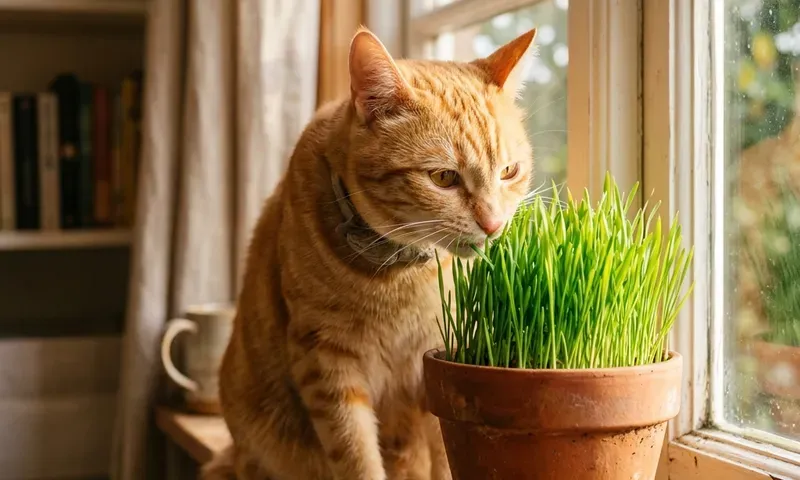
Cat grass — typically wheatgrass, oat grass, barley grass, or ryegrass — is marketed as a healthy, natural treat for indoor cats. And in most cases, it is safe. But "safe" comes with caveats that many cat owners don't hear about until something goes wrong. Here are 10 hidden dangers you should know before growing or buying cat grass.
1. Pesticide and Chemical Contamination
Not all cat grass is created equal. Pre-grown trays from garden centers or big-box stores may have been treated with pesticides, herbicides, or fungicides during cultivation. Even "organic" labels can be misleading — USDA organic standards allow certain approved pesticides.
The fix: Grow your own from certified organic seeds. It's easy — cat grass sprouts in 5–7 days in a shallow container with basic potting soil and water. This gives you complete control over what touches the grass.
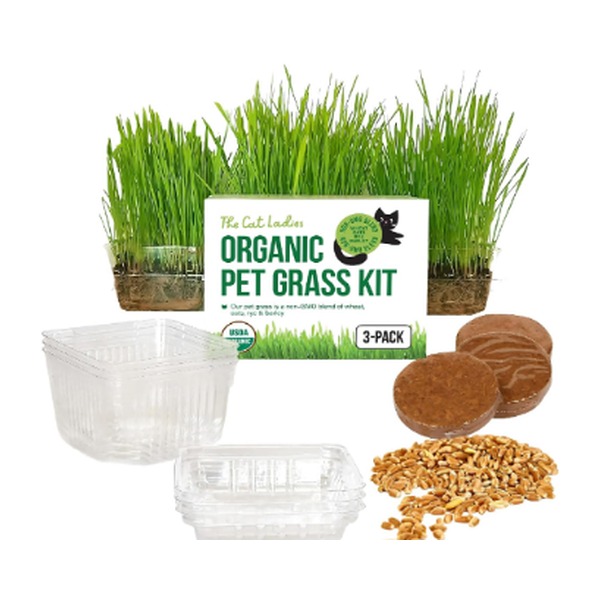
The Cat Ladies Organic Cat Grass Growing Kit (3 Pack)
Best Safe Option — 100% organic seeds, soil disks & BPA-free containers included (sprouts in 5-7 days)
2. Mold Growth in the Soil and Roots
Cat grass trays are warm, moist environments — perfect conditions for mold. White fuzzy mold commonly appears at the base of the grass within 7–10 days, especially in humid homes. Cats that chew grass close to the roots can ingest mold spores, potentially causing:
- Respiratory irritation
- Gastrointestinal upset
- Allergic reactions in sensitive cats
The fix: Replace cat grass trays every 1–2 weeks. Never let grass grow past the point where mold appears at the base. Keep trays in well-ventilated areas and avoid overwatering.
3. Overconsumption and Vomiting
Cats lack the enzymes to fully digest grass. That's actually the point — many cats eat grass to induce vomiting and clear hairballs or indigestible material from their stomachs. But unlimited access to cat grass can lead to excessive vomiting, which causes:
- Dehydration from repeated fluid loss
- Esophageal irritation from frequent acid exposure
- Nutrient loss if food is expelled before full digestion
The fix: Limit access to 15–20 minutes per session, 2–3 times per day. If your cat vomits every time they eat grass, consult your vet — frequent vomiting isn't normal. For cats with chronic vomiting, check our guide on why cats sniff food and won't eat for related digestive issues.
4. Grass Blades Can Become Lodged in the Throat or Nose
This is rarer but serious. Long, thin grass blades can get stuck in a cat's nasopharynx (the area behind the nose and above the throat). Signs include:
- Persistent sneezing or gagging
- Nasal discharge
- Visible distress when swallowing
- Pawing at the mouth or face
The fix: Trim cat grass to 4–6 inches to reduce the risk. If your cat shows persistent gagging or nasal discharge after eating grass, see a vet — they may need to remove a lodged blade under sedation.
5. Confusion with Toxic Plants
If you grow cat grass alongside other houseplants, your cat may not distinguish between safe grass and toxic plants. Common dangerous houseplants include:
- Lilies — Extremely toxic; even small amounts can cause kidney failure
- Pothos — Causes oral irritation and swelling
- Sago palm — Can be fatal even in small doses
- Dieffenbachia — Causes intense mouth burning
The fix: Keep cat grass in a completely separate area from other houseplants. If you have an indoor cat with a grass-eating habit, audit every plant in your home for toxicity. The ASPCA maintains a comprehensive toxic plant database.
6. Soil Ingestion Risks
Some cats don't just eat the grass — they dig in and eat the soil. Commercial potting mixes can contain:
- Perlite — Small white granules that can cause mild GI irritation
- Fertilizers — Chemical fertilizers can be toxic
- Moisture-retaining crystals — Can expand in the stomach
The fix: Use plain, unfertilized organic soil. Or grow cat grass hydroponically — many seed kits come with inert growing mediums like coconut coir that are safe if ingested.
7. Bacterial Contamination from Outdoor Sources
If you collect grass from outdoors for your cat, you're introducing potential contaminants:
- Bacteria from animal feces (toxoplasmosis, salmonella)
- Lawn treatment chemicals (weed killers, ant sprays)
- Parasites like roundworm eggs
The fix: Never give outdoor grass to indoor cats. Always grow dedicated cat grass from clean, indoor-started seeds.
8. Allergic Reactions
While uncommon, some cats can have allergic reactions to specific grass types. Symptoms include:
- Excessive itching or skin irritation
- Watery eyes or nasal congestion
- Swollen lips or mouth
- Digestive upset beyond normal grass-induced vomiting
The fix: Introduce cat grass in small amounts and monitor for reactions. If symptoms appear, try a different grass type. Wheatgrass and oat grass have different allergen profiles. For more on seasonal sensitivities, see our guide on spring cat allergies.
9. Seed Hulls Can Cause Intestinal Issues
If you grow cat grass at home, ungerminated seeds or seed hulls mixed in with young grass can cause intestinal blockages in smaller cats or kittens. Hard seed casings don't break down in stomach acid and can accumulate.
The fix: Wait until grass is at least 3–4 inches tall before offering it. At that height, most seed hulls have fallen away or decomposed. For kittens under 6 months, consult your vet before introducing any grass.
10. Nutrient Imbalance from Excessive Grazing
While cat grass contains some beneficial nutrients (folic acid, fiber, chlorophyll), it has zero protein and almost no calories. A cat that fills up on grass may eat less of their nutritionally complete food, leading to:
- Protein deficiency over time
- Reduced taurine intake (critical for heart and eye health)
- Weight loss in grazers who substitute grass for meals
The fix: Treat cat grass as a supplement, not a food source. Offer it between meals, not alongside them. Ensure your cat is eating their full daily portion of balanced cat food. Our automatic cat feeder guide can help maintain consistent feeding schedules.
So Is Cat Grass Safe? The Bottom Line
Yes, cat grass is generally safe when grown properly and offered in moderation. The key is treating it like any other part of your cat's care routine — with intention and awareness. Here's a quick safety checklist:
- ✅ Grow from organic seeds indoors
- ✅ Use unfertilized, chemical-free soil or hydroponic medium
- ✅ Replace trays every 1–2 weeks before mold appears
- ✅ Trim to 4–6 inches to prevent throat lodging
- ✅ Limit sessions to 15–20 minutes, 2–3 times daily
- ✅ Keep separate from all other houseplants
- ✅ Monitor for allergic reactions when introducing new grass types
- ❌ Never use outdoor grass
- ❌ Never let grass become moldy
- ❌ Don't substitute grass for balanced nutrition
Cat grass can be a wonderful enrichment tool for indoor cats — it satisfies natural instincts, aids digestion, and provides mental stimulation. Just be smart about how you grow it, how much you offer, and what else is growing nearby. For more ways to keep your indoor cat healthy and stimulated, check out our complete indoor cat setup guide.