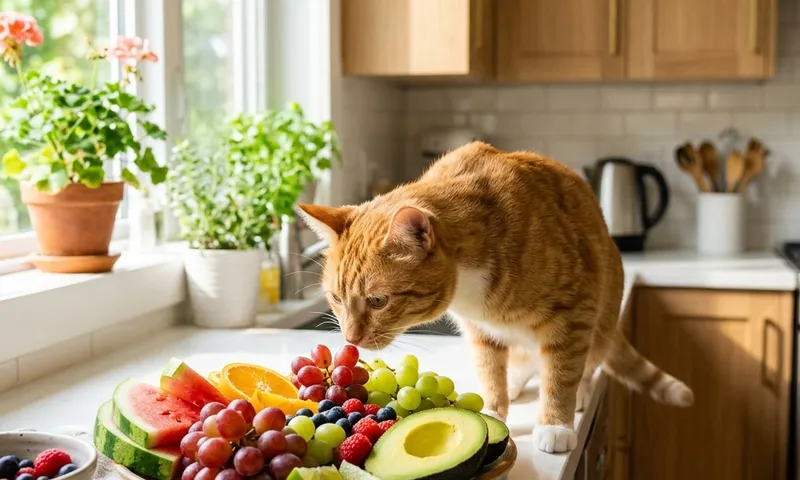
Summer means backyard BBQs, fruit platters, poolside snacks, and a cat who suddenly becomes very interested in whatever you're eating. The problem? Many of the foods we love in summer are genuinely dangerous — and sometimes fatal — to cats.
The ASPCA Animal Poison Control Center reports a 12% spike in pet poisoning calls during June through August, with food-related incidents leading the list. Here are 10 common summer foods you need to keep away from your cat — and exactly what to do if they get into them.
1. Grapes and Raisins
Danger level: 🔴 Severe — potentially fatal
Grapes and raisins cause acute kidney failure in cats. The toxic compound hasn't been definitively identified (researchers suspect tartaric acid), which means there's no safe amount. A single grape can trigger toxicity in some cats while others seem unaffected — but there's no way to predict which category your cat falls into.
Symptoms (within 6–12 hours): Vomiting, diarrhea, lethargy, loss of appetite, abdominal pain. Kidney failure signs (decreased urination, swollen abdomen) can appear within 24–72 hours.
Summer risk: Fruit salads, trail mix left on counters, kids dropping grapes at picnics.
If your cat eats one: Emergency vet immediately. Don't wait for symptoms. Time is kidney function.
2. Onions, Garlic, and Chives
Danger level: 🔴 Severe
All members of the Allium family destroy red blood cells in cats, causing Heinz body anemia. Cats are 6x more sensitive to allium toxicity than dogs. The damage is cumulative — small amounts over time are just as dangerous as a single large dose.
Symptoms (24–72 hours delayed): Pale gums, rapid breathing, weakness, dark or reddish urine, collapse.
Summer risk: Burger patties with onion mixed in, grilled onions, salsa, guacamole, potato salad, garlic bread, kebab marinades. Onion powder is especially concentrated — a tiny lick of BBQ sauce can be enough.
If your cat eats some: Call your vet even for small amounts. Blood work can detect red blood cell damage before symptoms appear.
3. Corn on the Cob
Danger level: 🟡 Moderate (obstruction risk)
Corn kernels themselves aren't toxic to cats, but the cob is the real danger. Cats who gnaw on discarded corn cobs can swallow chunks that are too large to pass through the intestinal tract, causing a life-threatening bowel obstruction that requires emergency surgery.
Symptoms of obstruction: Repeated vomiting, refusal to eat, abdominal pain, no bowel movements for 24+ hours.
Summer risk: Discarded cobs in trash cans, on plates left outside, or in compost bins. Cats are attracted to the butter and salt.
Prevention: Wrap cobs tightly and dispose in a sealed bin immediately after eating.
4. Alcohol
Danger level: 🔴 Severe
Cats weigh 8–12 pounds on average. It takes shockingly little alcohol to cause toxicity — as little as a tablespoon of hard liquor can be dangerous. Beer, wine, cocktails, and even fermented fruit all pose risks.
Symptoms (within 30–60 minutes): Disorientation, vomiting, difficulty breathing, tremors, coma in severe cases.
Summer risk: Unattended cocktails at BBQs, spilled beer, sangria with fruit (double danger — alcohol + grapes), rum-soaked watermelon.
If your cat drinks some: Emergency vet. Keep your cat warm (alcohol causes hypothermia) and note how much they may have consumed.
5. Xylitol (Birch Sugar)
Danger level: 🔴 Severe — potentially fatal
Xylitol is an artificial sweetener found in sugar-free gum, mints, popsicles, ice cream, peanut butter, and some baked goods. In cats, it can cause a rapid insulin release leading to dangerous hypoglycemia (low blood sugar), and in larger doses, liver failure.
Symptoms (15–30 minutes): Vomiting, weakness, staggering, tremors, seizures, collapse.
Summer risk: Sugar-free popsicles, "keto" treats left on counters, gum in purses or bags. Always check ingredient labels for xylitol (also listed as "birch sugar" or E967).
6. Avocado
Danger level: 🟡 Moderate
Avocado contains persin, a fungicidal toxin concentrated in the skin, pit, and leaves but also present in the flesh. While cats are less sensitive to persin than birds or horses, ingestion can still cause vomiting, diarrhea, and gastrointestinal distress. The pit is also a choking and obstruction hazard.
Summer risk: Guacamole at every BBQ, avocado toast, halved avocados left on cutting boards.
Reality check: A small lick of guacamole flesh probably won't cause serious harm, but the onion and garlic in the guac absolutely will. Keep the whole bowl away.
7. Chocolate and Caffeine
Danger level: 🔴 Severe
Chocolate contains theobromine and caffeine, both of which cats metabolize extremely slowly. Dark chocolate and baking chocolate are the most dangerous, but even milk chocolate and chocolate ice cream can cause toxicity in cats.
Symptoms (1–4 hours): Restlessness, rapid breathing, muscle tremors, vomiting, diarrhea. Severe cases: seizures, cardiac arrhythmia.
Summer risk: S'mores ingredients, chocolate-dipped fruit, brownies, iced mochas, chocolate ice cream. Don't forget: coffee and energy drinks are equally dangerous due to caffeine.
If your cat suddenly refuses food after a BBQ, check if they got into any chocolate first.
8. Raw Meat and Fish
Danger level: 🟡 Moderate (bacterial + nutritional)
Raw hamburger patties, raw chicken waiting to be grilled, and raw fish (sushi leftovers, bait) carry Salmonella and E. coli risks for cats just like humans. But there's an additional danger with raw fish: it contains thiaminase, an enzyme that destroys vitamin B1 (thiamine). Chronic thiamine deficiency causes neurological damage.
Summer risk: Raw meat thawing on counters before grilling, fishing bait, sushi night leftovers.
Prevention: Keep raw meat covered and elevated. Never leave thawing meat unattended with a cat in the house.
9. Citrus Fruits
Danger level: 🟢 Low to moderate
Lemons, limes, oranges, and grapefruits contain essential oils (limonene, linalool) and psoralens that are toxic to cats. The peels, seeds, and leaves are the most concentrated. Most cats naturally avoid citrus (they hate the smell), but curious kittens and cats with pica may investigate.
Symptoms: Vomiting, diarrhea, drooling, skin irritation from contact with peel oils, photosensitivity.
Summer risk: Lemon wedges in drinks, citrus-infused water pitchers, lime garnishes, citronella products (which also contain citrus oils).
10. Macadamia Nuts
Danger level: 🟡 Moderate
While macadamia toxicity is better documented in dogs, cats can also experience weakness, vomiting, tremors, and hyperthermia after ingestion. The toxic mechanism is still unknown, which means there's no established "safe" dose.
Summer risk: Trail mix, cookies, nut bowls at parties, chocolate-covered macadamias (double toxic — chocolate + nuts).
Prevention: Keep all nut bowls out of reach. Cats are less likely to eat nuts than dogs, but butter-roasted or flavored varieties can attract them.
Quick Reference: Toxicity Chart
| Food | Danger | Primary Risk | Action |
|---|---|---|---|
| Grapes/Raisins | 🔴 Severe | Kidney failure | Emergency vet NOW |
| Onions/Garlic | 🔴 Severe | Anemia | Call vet same day |
| Corn Cob | 🟡 Moderate | Bowel obstruction | Vet if vomiting |
| Alcohol | 🔴 Severe | CNS depression | Emergency vet NOW |
| Xylitol | 🔴 Severe | Hypoglycemia/liver | Emergency vet NOW |
| Avocado | 🟡 Moderate | GI distress | Monitor; vet if vomiting |
| Chocolate | 🔴 Severe | Cardiac/neuro | Emergency vet NOW |
| Raw Meat/Fish | 🟡 Moderate | Bacteria/thiamine | Monitor 24hrs |
| Citrus | 🟢 Low | GI upset | Monitor |
| Macadamia Nuts | 🟡 Moderate | Neuro/muscle | Call vet |
What to Do If Your Cat Eats Something Toxic
- Don't panic, but act fast. Note what they ate, how much, and when
- Call ASPCA Animal Poison Control: (888) 426-4435 (24/7, $95 consultation fee) or your emergency vet
- Do NOT induce vomiting unless specifically instructed by a veterinarian. Some toxins cause more damage coming back up
- Don't give milk. Despite the myth, milk doesn't neutralize toxins and most adult cats are lactose intolerant
- Bring the packaging or a sample of what they ate to the vet
Summer-Proofing Your Kitchen
The easiest way to prevent food toxicity is to cat-proof your summer habits:
- Clear plates immediately after outdoor meals — don't leave them on picnic tables
- Use lidded trash cans outdoors (corn cobs, bones, and food scraps attract cats)
- Cover drinks at parties — a simple coaster prevents curious licks
- Designate a cat-safe zone indoors during BBQs with their own water fountain and automatic feeder
- Keep guests informed — a polite "please don't feed the cat" goes a long way
- Make sure they're properly hydrated so they're less tempted to investigate your drinks
The Bottom Line
Your cat doesn't know that grapes cause kidney failure or that the onion in your burger could destroy their red blood cells. They just know it smells interesting. Summer is the most common time for accidental food poisoning in pets because we eat outside, leave food unattended, and have guests who don't know the rules.
Save the ASPCA Poison Control number in your phone right now: (888) 426-4435. Print the toxicity chart above and stick it on your fridge. And when in doubt, remember the simplest rule: if it's not cat food, it's not for the cat.
For more on keeping your cat safe indoors, check out our guide to cat grass safety and our complete indoor cat setup guide.