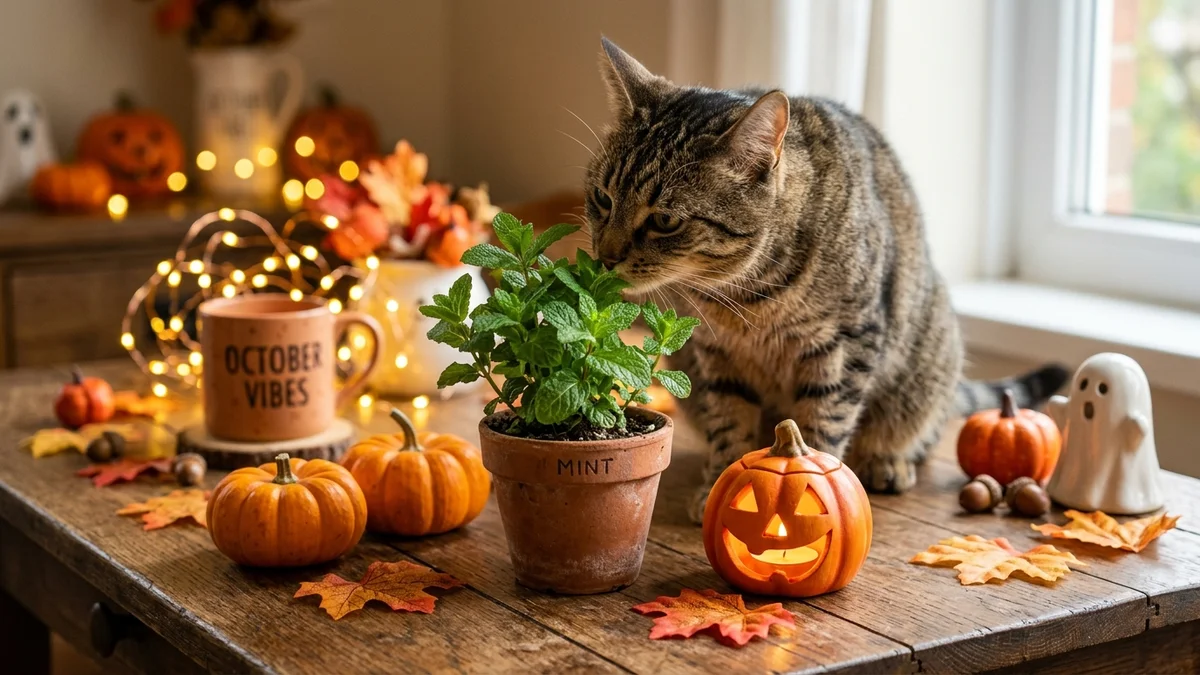
Veterinary Quick Summary
No, mint is not safe for cats to eat. While a tiny nibble of a garden mint leaf is rarely fatal, true mint species (such as peppermint and spearmint) contain volatile essential oils that cats cannot metabolize. Ingestion causes vomiting, diarrhea, and stomach pain, while concentrated forms like peppermint essential oil or pennyroyal can cause acute liver failure and neurological collapse.
The Direct Answer: Can Cats Eat Mint?
If you're asking whether you can feed mint leaves to your cat or use mint to freshen their breath, the unequivocal answer from veterinary toxicologists is no. The ASPCA Animal Poison Control Center officially classifies mint (Mentha spp.) as toxic to felines, canines, and horses.
However, the severity of the danger depends heavily on the form of mint your cat encountered. A single curious bite from a potted spearmint plant will typically produce an upset stomach rather than an immediate medical crisis. On the other hand, concentrated peppermint oils, pennyroyal, or human treats like mint chocolates and sugar-free gums represent life-threatening veterinary emergencies.
Why Are Cats So Attracted to Mint in the First Place?
It sounds counterintuitive: why would a feline be drawn to a plant that can make them violently ill? The explanation lies in botanical taxonomy and evolutionary biology.
Garden mint belongs to the plant family Lamiaceae (frequently referred to as the deadnettle or mint family). Interestingly, common catnip (Nepeta cataria) and catmint (Nepeta mussinii) also belong to this exact same botanical family. To learn more about how feline biology responds to these plants, see our guide on why cats like catnip.
True mints produce volatile aromatic hydrocarbons called terpenes. To a feline's hyper-sensitive vomeronasal organ (Jacobson's organ located in the roof of their mouth), these terpenes smell remarkably similar to nepetalactone — the active chemical compound in catnip. Cats smell mint and instinctively believe they've stumbled upon a gourmet batch of catnip. They may rub their cheeks against the leaves, purr, drool, or take a curious bite.
The Biological Vulnerability: Why Feline Livers Cannot Handle Mint
Humans, dogs, and cats process herbal compounds very differently. Cats are strict, obligate carnivores whose evolutionary history never required them to detoxify secondary plant chemicals, resins, or volatile oils.
Specifically, felines have a critical genetic deficiency in a liver detoxification pathway called glucuronidation. Cats produce extraordinarily low levels of key hepatic enzymes known as UDP-glucuronosyltransferases (especially the UGT1A6 and UGT1A9 enzymes). In humans and dogs, these enzymes attach glucuronic acid to phenols, terpenes, and menthol, making them water-soluble so they can be safely flushed out via urine.
Because your cat lacks these enzymes, the volatile compounds in mint (menthol, menthone, pulegone, and carvone) bypass normal clearance, accumulate in the bloodstream, irritate the mucosal lining of the gastrointestinal tract, and place enormous toxic stress directly on liver hepatocytes.
The Mint Danger Spectrum: From Mild Irritant to Deadly Toxin
Not all forms of mint pose the exact same level of threat. Here is how common varieties rank on the feline toxicity scale:
1. Fresh Garden Mint & Spearmint (Mentha spicata)
Danger Level: 🟡 Moderate Digestive Irritant
Spearmint is the sweet, mild variety commonly grown in home gardens and used for culinary garnishes. It contains lower concentrations of menthol than peppermint. If an adult cat nibbles a single leaf, they may experience mild nausea or salivation. If they ingest several leaves or stems, expect vomiting and diarrhea within 2 to 6 hours.
2. Peppermint (Mentha x piperita)
Danger Level: 🟠 Significant Toxic Hazard
Peppermint is a natural sterile hybrid of spearmint and water mint, packing a dramatically higher percentage of menthol. Menthol relaxes the lower esophageal sphincter while simultaneously burning the gastric mucosa, causing painful acid reflux, repeated vomiting, abdominal cramping, and watery stool. Just like our warnings in summer foods toxic to cats, peppermint should never be accessible to pets.
3. Lemon Mint / Lemon Balm (Mentha citrata & Monarda)
Danger Level: 🟠 Dual Toxic Hazard
Plants sold as "lemon mint" contain both mint terpenes and citrus oils like limonene and linalool. Because cats are deeply sensitive to both citrus and mint phenols, lemon mint delivers a double dose of digestive and neurological irritation.
4. Pennyroyal (Mentha pulegium)
Danger Level: 🔴 Severe — Potentially Fatal
European and American Pennyroyal is the single most lethal member of the mint family. Pennyroyal contains high concentrations of pulegone, a potent hepatotoxin. Ingesting even small amounts of pennyroyal leaves or crushed stems causes acute liver failure, internal hemorrhaging, seizures, and death. It must never be planted in yards or homes where cats live.
5. Peppermint Essential Oil & Diffusers
Danger Level: 🔴 Extreme Emergency — Highly Lethal
Essential oils are 100% pure, hyper-concentrated botanical extracts. A single drop of peppermint essential oil is equivalent to dozens of cups of steeped mint tea. When diffused into the air, micro-droplets settle on your cat's fur. When the cat grooms themselves, they ingest the oil. Furthermore, inhaling airborne menthol droplets causes acute chemical bronchitis, wheezing, and pulmonary edema. Contact with concentrated oil on skin can trigger rapid central nervous system depression, hypothermia, ataxia, and coma.
6. Mint-Flavored Human Treats & Foods
Human mint snacks introduce dangerous compounded risks:
- Mint Chocolate Chip Ice Cream: Triple danger. Cats cannot digest lactose (triggering severe diarrhea), chocolate contains toxic theobromine and caffeine, and high dairy fat can cause acute feline pancreatitis.
- Sugar-Free Mint Candies & Breath Gum: Often sweetened with xylitol (birch sugar). Even microscopic amounts of xylitol trigger massive insulin surges in pets, leading to fatal hypoglycemia and acute liver necrosis.
- Mint Teas: Concentrated steeped tea can contain caffeine (a lethal methylxanthine for cats) and high amounts of dissolved menthol.
Catnip vs. Catmint vs. Garden Mint: Understanding the Difference
Because colloquial names can be deeply confusing, pet parents frequently mix up these three plants:
| Common Name | Botanical Name | Active Chemical | Is It Safe for Cats? |
|---|---|---|---|
| Catnip | Nepeta cataria | Nepetalactone | ✅ 100% Safe & Non-Toxic |
| Catmint | Nepeta mussinii | Nepetalactone / Dihydronepetalactone | ✅ 100% Safe (Ornamental) |
| Peppermint / Spearmint | Mentha spp. | Menthol, Menthone, Carvone | ❌ Toxic (Digestive & Liver Hazard) |
| Pennyroyal | Mentha pulegium | Pulegone | ❌ Extremely Toxic (Lethal) |
What Happens If a Cat Eats Mint? (Symptoms & Timeline)
If your cat ingests mint leaves, teas, or extracts, clinical signs usually develop within 1 to 4 hours:
Early & Mild Symptoms (1 to 4 Hours)
- Excessive Salivation (Ptyalism): The astringent menthol irritates the oral mucosa, causing your cat to drool excessively or shake their head.
- Nausea & Lip Licking: Frequent lip-smacking, swallowing, or refusing food.
- Vomiting: Regurgitating plant fragments and gastric foam.
- Loose Stool or Diarrhea: Acceleration of intestinal transit. If your cat develops loose stool, our guide on handling feline diarrhea offers practical recovery tips.
Severe Toxicity Symptoms (4 to 24 Hours)
- Lethargy & Weakness: Hiding in dark corners, refusing to stand or walk.
- Ataxia: Unsteady, wobbly, "drunken" gait caused by central nervous system depression.
- Hypothermia: Dangerously low body temperature (ears, paws, and nose feel abnormally cold).
- Respiratory Depression: Slow, shallow, or labored breathing.
- Hepatic Distress / Jaundice: Yellowing of the whites of the eyes, gums, or inner ear skin, signaling liver damage.
What to Do If Your Cat Ate Mint: 5 Immediate Action Steps
If you discover your cat has chewed on mint or gotten into mint products, take these steps immediately:
- Remove the Source: Safely secure the remaining plant, food, or oil diffuser away from all pets.
- Identify the Specific Product: Check the exact plant species or examine product ingredient labels. Look specifically for dangerous additives like xylitol, chocolate, macadamia nuts, or caffeine.
- Do NOT Induce Vomiting at Home: Never attempt to give your cat hydrogen peroxide, salt water, or human emetics. Hydrogen peroxide causes severe, life-threatening hemorrhagic gastritis in felines.
- Flush Fur and Skin (If Oil Was Involved): If essential oil spilled on your cat, wash the affected fur with warm water and mild liquid dish soap (like plain Dawn) to prevent them from grooming and swallowing the toxin.
- Contact Professional Help: Call your primary veterinarian, your nearest 24/7 veterinary emergency hospital, or an animal poison hotline:
- ASPCA Animal Poison Control Center: (888) 426-4435
- Pet Poison Helpline: (855) 764-7661
3 Safe, Vet-Approved Alternatives for Cats Who Love Mint or Greenery
If your cat is constantly trying to chew on indoor plants or craves fresh aromatic greenery, you don't have to leave them unsatisfied. Swap out dangerous mint plants for these safe, enrichment-boosting alternatives:
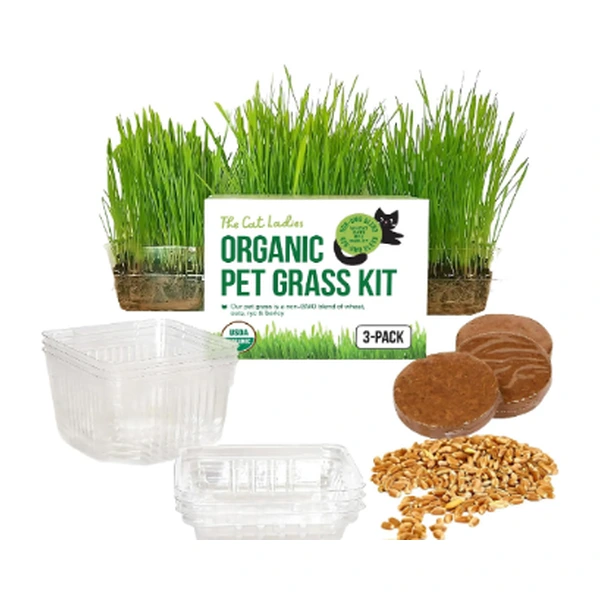
The Cat Ladies Cat Grass Growing Kit (3-Pack)
Complete 3-pack kit featuring BPA-free growing containers, nutrient-dense organic soil disks, and locally sourced non-GMO seeds (wheat, oat, rye & barley blend). Satisfies your cat's instinctual urge to graze on fresh greens without dangerous essential oils or pesticides.
Check Price on Amazon →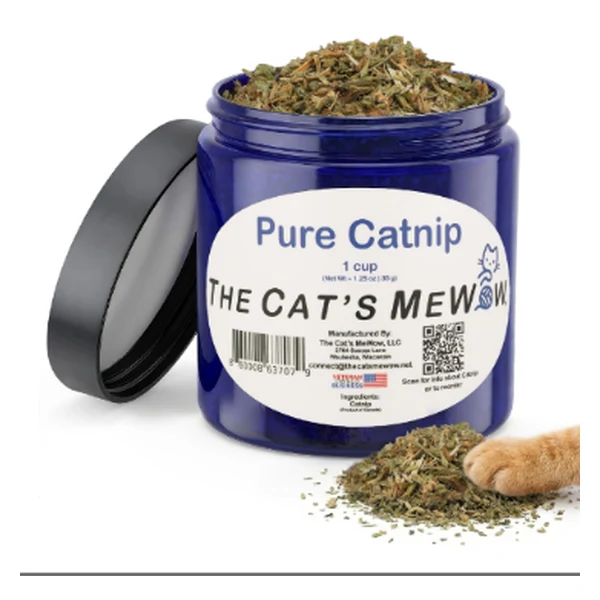
The Cat's MeWow 100% Pure Catnip
North American grown 100% pure catnip packed with strong natural aroma for active play and enrichment. Packaged in a reusable stay-fresh jar from a veteran-owned brand, it delivers the aromatic excitement of the mint family without any toxic menthol.
Check Price on Amazon →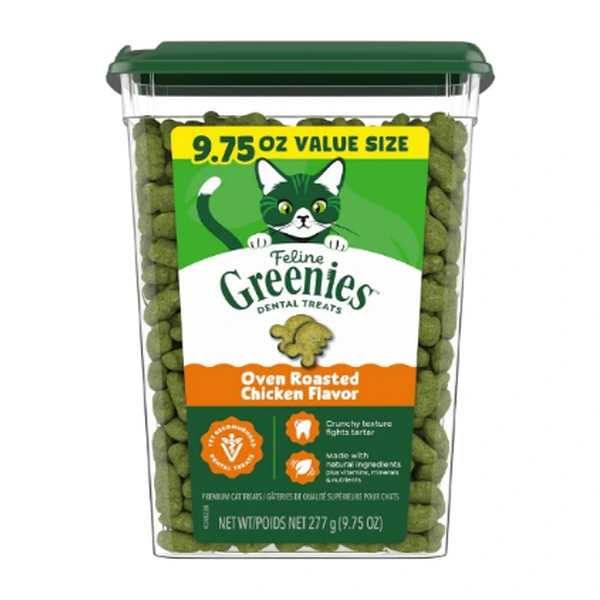
FELINE GREENIES Dental Treats (Oven Roasted Chicken)
Looking to freshen your cat's breath? Never use human mints! Greenies 9.75 oz value size tub features crunchy bites accepted by the Veterinary Oral Health Council (VOHC) to scrub tartar and clean teeth mechanically with a feline-safe savory roasted chicken flavor. For more dental tips, check our guide on cleaning cats' teeth at home.
Check Price on Amazon →Comparison: Safe Greenery & Breath Alternatives
| Product | Type | Primary Benefit | Action |
|---|---|---|---|
| The Cat Ladies Cat Grass (3-Pack) | Live Wheatgrass Kit with Containers | Safe plant grazing & hairball fiber | Check Price on Amazon |
| The Cat's MeWow Pure Catnip | 100% Pure North American Herb | Safe mint-family aroma & enrichment | Check Price on Amazon |
| FELINE GREENIES Dental Treats (9.75 oz) | VOHC Crunchy Dental Bites | Reduces tartar & cleans teeth mechanically | Check Price on Amazon |
Frequently Asked Questions About Cats and Mint
Is it safe for cats to smell mint?
Smelling a live garden mint plant from a distance will not poison your cat, though intense sniffing may irritate their nasal passages and trigger sneezing. However, smelling concentrated peppermint essential oil, diffusers, or scented candles can cause chemical airway constriction, wheezing, and toxic systemic absorption. Keep all essential oil vapor away from cats.
What happens if my cat ate a single mint leaf?
A single nibble of a common garden spearmint or peppermint leaf by an adult cat is rarely life-threatening. You can expect mild salivation, possible temporary nausea, or a single episode of soft stool. Offer fresh water, keep your cat calm, and monitor their litter box for 24 hours. If vomiting persists or the cat becomes lethargic, seek veterinary evaluation.
Why do cats lick mint lotion or muscle rubs?
Cats are drawn to the scent of menthol and camphor in sports rubs (like Bengay, Tiger Balm, or Icy Hot) and peppermint hand creams. This is extremely dangerous. Many muscle rubs also contain methyl salicylate (an aspirin relative) which is severely toxic to cats and causes acute kidney failure, stomach ulceration, and death. Never let your cat lick your skin after applying topical analgesic balms.
Can cats drink peppermint tea?
No. Peppermint tea contains concentrated, water-soluble mint oils and is frequently blended with black or green tea leaves containing caffeine. Caffeine triggers cardiac arrhythmias, high blood pressure, and seizures in cats. Stick strictly to fresh water from a clean cat water fountain.
Is cat grass safe for cats that love greens?
Yes! Dedicated cat grass (wheat, oat, rye, and barley grasses) is completely non-toxic and packed with beneficial dietary fiber and vitamins. For full details on growing and maintaining safe greens, read our comprehensive guide on whether cat grass is safe for cats.
The Final Verdict: Keeping Your Curious Cat Safe
While the refreshing scent of mint is invigorating for humans, it is fundamentally incompatible with feline physiology. Cats are naturally curious about the familiar herbal aroma of mint because of its close evolutionary kinship to catnip, but their unique liver enzyme deficiencies turn garden mint into an irritant and concentrated peppermint oils into a deadly toxin.
Protect your cat by keeping potted herbs out of reach, avoiding all essential oil diffusers in pet-friendly homes, and offering safe alternatives like The Cat Ladies Cat Grass Kit, The Cat's MeWow 100% Pure Catnip, and FELINE GREENIES Dental Treats. By providing safe, species-appropriate botanical enrichment, you satisfy your cat's wildest natural instincts without ever compromising their health.