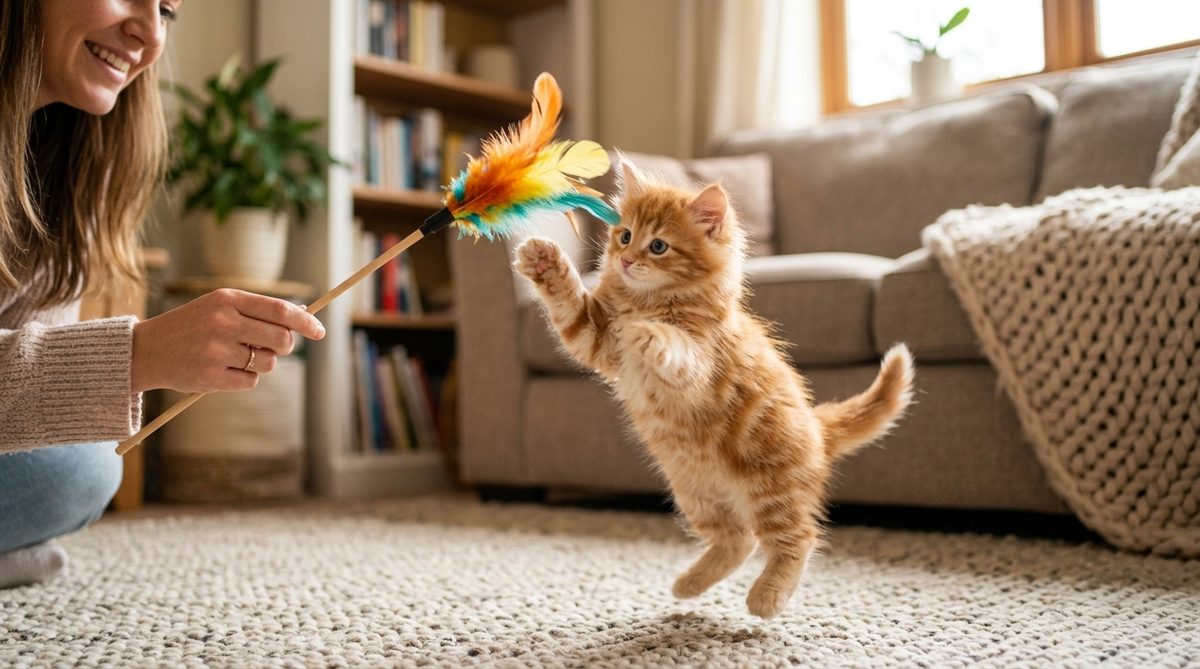
The Golden Window of Feline Development
Did you know that a cat's adult personality, emotional resilience, and ability to handle changes are largely established by the time they are just 12 to 14 weeks old? Veterinary behaviorists call this developmental phase the kitten socialization window.
Between 2 and 9 weeks of age (with benefits extending through week 12), a kitten's brain forms millions of neural pathways at lightning speed. Experiences introduced during this sensitive period are accepted as "safe and normal." Conversely, kittens deprived of diverse, positive exposure during these weeks frequently grow into fearful, skittish adults prone to hiding, handling resistance, and stress-induced behaviors.
Whether you are fostering orphaned newborns, raising a litter, or bringing home a newly adopted 8-week-old kitten, this comprehensive guide gives you actionable, step-by-step socialization strategies to raise a confident, friendly, and well-adjusted companion.
Kitten Socialization Timeline by Developmental Stages
Weeks 2 to 4: Gentle Touch & Sensory Awakening
During this neonatal and transitional phase, kittens open their eyes, unfurl their ears, and begin wobbly steps. Socialization is gentle and maternal:
- Light Handling: Gently hold kittens for 1 to 2 minutes daily in a warm room. Support their small bodies securely.
- Gentle Stroking: Run your finger along their heads, chin, and paws while keeping them near their mother.
Weeks 5 to 8: Peak Exploration & Human Bonding
This is the most sensitive period of the socialization window. Curiosity skyrockets, and fear responses are at their lowest:
- Meeting Diverse People: Introduce the kitten to men, women, children, and people wearing hats or glasses.
- Household Noise Desensitization: Play television audio, vacuum hums from an adjacent room, and kitchen sounds at low volumes.
- Litter & Feeding Routine: Introduce shallow litter pans and wet food. Learn more about foundational room setups in our Indoor Cat Setup Guide.
Weeks 9 to 12: Environmental Confidence & Boundary Learning
Kittens are ready for novel experiences, carrier acclimation, and gentle veterinary handling:
- Bite Inhibition: Teach kittens that human hands are never toys. Always redirect biting to plush kickers or wand toys.
- Carrier Positivity: Leave carriers open in their living area with cozy fleece and treats so the carrier is never seen as a punishment.
7 Essential Socialization Steps Every Owner Must Practice
1. Full-Body Handling & Gentle Desensitization
Future vet visits and grooming sessions depend entirely on early handling desensitization. Daily 3-minute sessions should include:
- Paws & Claws: Gently massage each toe pad and lightly press to extend the claws. Pair this with a lickable puree treat.
- Ears & Chin: Inspect inside the ear flaps and stroke around the base of the skull.
- Mouth & Gums: Lift the upper lips to expose the baby teeth. Early oral desensitization makes at-home oral care effortless — see our guide on how to clean cat teeth at home.
- Brushing: Introduce an ultra-soft bristle brush early. For full grooming best practices, review our Cat Coat Care & De-Shedding Guide.
2. Household Sounds & Audio Desensitization
Sudden noises like vacuum cleaners, thunderstorms, and doorbells often terrorize adult cats. Prevent noise phobias through gradual, low-intensity exposure:
Play YouTube clips of thunderstorm rumblings, washing machines, or blender noises on your phone at 10% volume while feeding the kitten high-value treats. Over 10 days, gradually raise the volume. The kitten learns to associate sudden noises with delicious meals rather than impending danger.
3. Novel Textures, Heights & Surfaces
Confident cats feel comfortable on diverse flooring and vertical heights. Encourage your kitten to explore:
- Tile, hardwood, shag rug, and cardboard surfaces.
- Sturdy low-rise cat trees and scratching posts (browse our top picks for indoor cat trees).
- Window observation perches for early outdoor visual enrichment (see our Cat Window Perch Buyer's Guide).
4. Positive Carrier & Car Travel Associations
Most cats panic when placed in a carrier because they only see it twice a year before an uncomfortable vet visit. Break this pattern early:
- Take the carrier door off and place a soft blanket inside inside your living room.
- Toss high-value treats into the carrier daily.
- Once the kitten naps inside voluntarily, close the door for 2 minutes, reward with a treat, and reopen it.
- Take 5-minute calm drives around the block, speaking in a soothing voice.
5. Multi-Substrate Litter Box Exploration
Litter aversion is one of the leading behavioral complaints in adult cats. Exposing kittens to different pan styles and unscented substrates (clay, corn, wood pellets) during weeks 6 to 10 creates flexible litter habits for life. When they reach adulthood, transitioning to automatic options is seamless — read our guide on how to transition cats to an automatic litter box.
6. Wand Play & Stopping Rough Play Aggression
When an 8-week-old kitten pounces on your bare fingers, it is undeniably cute. When a 12-pound adult cat does it, it causes painful punctures. Establish strict play rules:
- Hands Are for Affection Only: Never wiggle your fingers under blankets or encourage play with bare skin.
- Use Intermediary Toys: Always engage your kitten with wand feather teasers, felt balls, and kicker toys.
- The "Freeze & Ignore" Technique: If a kitten clamps onto your hand, immediately go limp and stay completely still. Prey that stops moving becomes instantly boring. Once released, offer a toy replacement.
7. Hydration & Water Curiosity
Kittens naturally inspect dripping faucets and running water. Introducing a quiet, stainless-steel fountain during week 8–10 builds a lifetime habit of proper hydration that protects against feline kidney and urinary diseases. Explore the best cat water fountains for picky cats.
Socialization Checklist for Weeks 2 to 12
| Category | Experiences to Expose | Frequency |
|---|---|---|
| Handling | Paws, ears, tail, belly, mouth check | Daily (2-3 min) |
| People | Adults, kids, elderly, delivery couriers | 3-4 times/week |
| Sounds | Vacuum, doorbell, thunder recordings, TV | Daily low volume |
| Gear | Carriers, soft brushes, claw trimmers | 4-5 times/week |
| Surfaces | Tile, cardboard, perches, low cat trees | Continuous access |
3 Critical Mistakes to Avoid
- Flooding (Overwhelming the Kitten): Never force a frightened kitten to interact with overwhelming stimuli. If they cower, back away, reduce intensity, and try again tomorrow.
- Separating From Littermates Too Early: Kittens separated before 8 weeks miss critical bite inhibition lessons from their siblings and are significantly more prone to behavioral issues.
- Skipping Routine Changes: Expose your kitten to varied schedules early so they do not develop acute stress when life changes happen — see our guide on managing cat schedule anxiety.
Summary
The first 12 weeks of a kitten's life pass in the blink of an eye, but the socialization foundation you lay during this window lasts a lifetime. By pairing positive handling, gentle sound acclimation, carrier familiarity, and structured wand play with high-value treat rewards, you give your kitten the greatest gift possible: the confidence to thrive in any environment.