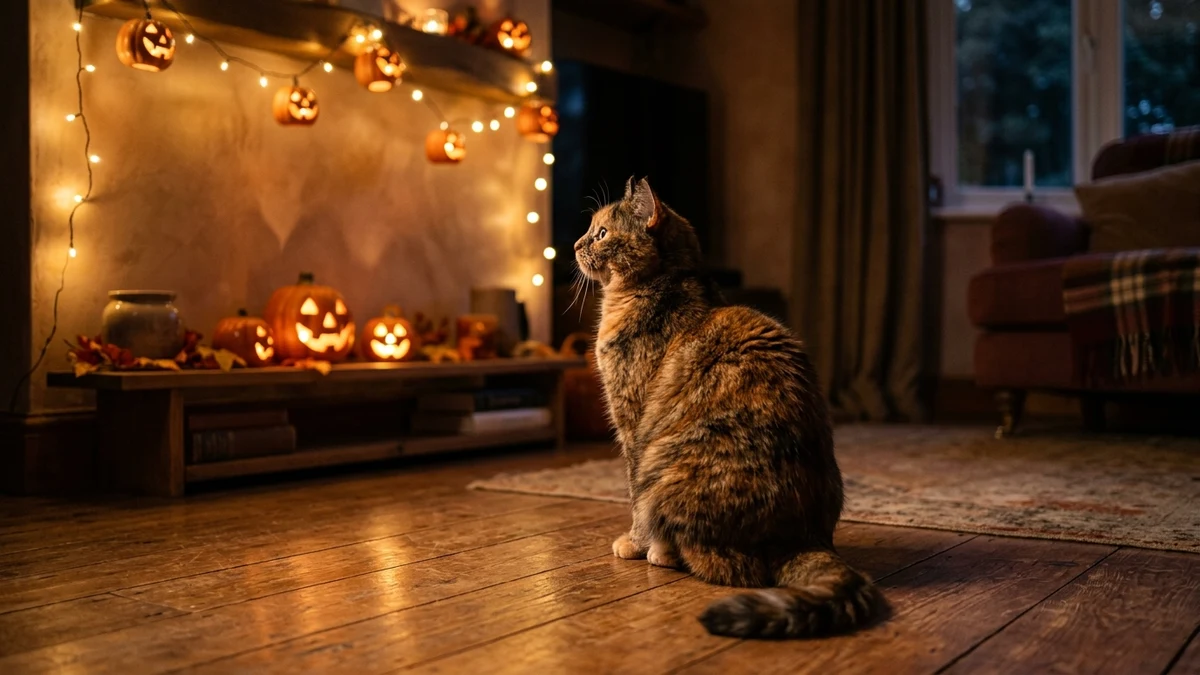
It is one of the most delightfully eerie behaviors in the feline repertoire: your cat sits completely rigid, pupils dilated like black saucers, staring unblinkingly at an empty patch of drywall or into a dark corner. Especially during the Halloween season, internet forums and cat lovers love to joke that felines possess a supernatural 'sixth sense' capable of detecting ghosts, poltergeists, or invisible entities that pet parents have playfully dubbed greebles.
While the paranormal folklore makes for fun ghost stories around a pumpkin lantern, the reality of evolutionary feline biology is infinitely more impressive. Cats do not need ghosts to be captivated by a plain surface. Their predatory architecture operates on sensory bandwidths completely invisible and inaudible to human perception.
Much like understanding why cats stare directly at their humans, uncovering why a cat stares at a wall requires stepping into their sensory universe. A cat's survival in the wild has never depended on rich color appreciation; instead, natural selection sculpted them into twilight ambush predators equipped with ultrasonic acoustic tracking, ultraviolet light sensitivity, and whisker-radar systems that turn our mundane living rooms into dynamic sensory landscapes.
However, wall staring is not always playful curiosity. In senior felines or cats with underlying conditions, prolonged staring into corners can be an urgent warning sign of cognitive dysfunction, sensory decline, or acute neurological distress. In this comprehensive guide, we dissect the 7 scientific explanations for why cats stare at walls, explore real-world environmental triggers, and explain exactly when you must consult your veterinarian.
The Feline Sensory Matrix: What Are They Actually Experiencing?
Before assuming your feline has lost their mind or spotted a phantom, it is critical to grasp how radically different a cat's sensory apparatus is compared to our own:
- Ultrasonic Hearing (Up to 64,000 Hz): While healthy human hearing caps out at roughly 20,000 Hz, domestic felines can detect acoustic frequencies reaching 64,000 Hz (a full octave higher than dogs). Furthermore, each feline ear is controlled by 32 individual muscles, allowing their pinnae to rotate 180 degrees independently to triangulate the exact spatial coordinates of a sound source within three inches.
- Ultraviolet (UV) Spectral Vision: Groundbreaking ocular research from City University London revealed that cats possess transparent ocular media that permit near-ultraviolet light (300–400 nm) to penetrate directly to their retinas. This means cats perceive fluorescence in laundry detergents, paper brighteners, and natural urine trails that appear completely invisible or flat white to humans.
- Tapetum Lucidum & Motion Sensitivity: Cats have six to eight times more photoreceptor rod cells in their retinas than humans, backed by a reflective mirror-like membrane called the tapetum lucidum. This allows them to detect minute shifts in ambient shadow, microscopic dust motes floating on air thermals, and light flickers at 100 frames per second (humans perceive smooth motion at around 50–60 fps).
- Vibrissae (Whisker Radar): Your cat's facial, chin, and carpal (foreleg) whiskers are deeply embedded nerve-dense tactile sensors that detect minuscule micro-currents of air bouncing off walls, baseboards, and heating registers.
7 Scientific Reasons Your Cat Stares at Walls
1. Ultrasonic Acoustic Tracking: Hearing Pests and Pipes Behind Drywall
The single most common explanation for intense, motionless wall staring is sound. When you see your cat sitting within inches of drywall, head tilted slightly, with one or both ears twitching like miniature satellite dishes, they are not staring with their eyes—they are 'seeing' with their ears.
Modern residential drywall, wood studs, and insulation cavities form an echo chamber for hidden activity. Felines easily hear:
- Rodents: Field mice and roof rats nesting in crawl spaces, attics, or wall cavities make high-pitched ultrasonic squeaks and claw-scratches that resonate through wood framing.
- Insects: Termites chewing through structural timber, carpenter ants nesting in wall voids, or a single spider climbing across insulation emit high-frequency friction clicks that trigger a cat's predatory lock.
- Plumbing & Water Flow: Water traveling through copper or PEX pipes creates subtle cavitation hums and low vibrations that cats perceive as distant scurrying prey.
- HVAC Duct Expansion: Metal ductwork expands and contracts with heating cycles, emitting microscopic metal groans imperceptible across a room to human ears.
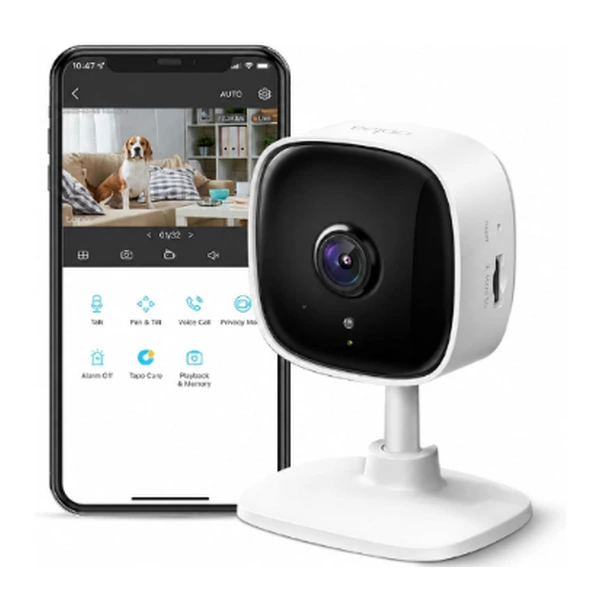
TP-Link Tapo 1080P Indoor Security / Pet Camera
Wondering what your cat is fixating on at 2:00 AM? This smart 1080p Wi-Fi camera features high-definition infrared night vision (up to 30 feet) and instant motion alerts. Place it near the suspicious wall or corner to capture whether mice are active behind baseboards or if your cat is pacing and vocalizing during the night.
Check Price on Amazon →2. Ultraviolet Vision & Fluorescent Paint Signatures
Have you ever painted a wall and thought it looked like a uniform eggshell white? To your cat, that wall might look like a textured, glowing mosaic. Most modern interior paints, drywall primers, and cleaning solutions contain optical brighteners—fluorescent chemical compounds formulated to absorb UV light and re-emit it in the blue spectrum to make surfaces appear brighter to human eyes.
Because cats possess corneas and crystalline lenses that transmit near-UV wavelengths, these optical brighteners create luminescent patterns and reflective gradients across drywall. Sunlight reflecting through a window or light from an energy-efficient LED bulb hits the wall and creates fluorescent hotspots that felines track with unwavering fascination.
3. Micro-Shadows, Dust Motes & Ambient Light Glints
The infamous internet phenomenon of 'cat greebles' is almost always explained by microscopic optics. Thanks to their high concentration of rod cells, cats can detect tiny light glints that human eyes dismiss as background static:
- Floating Dust Particles: When sunlight or an indoor lamp casts a light beam, microscopic dust motes drift across air currents. To a cat, each dust mote is a shimmering, moving target dancing against the wall.
- Specular Reflections: The glare from a smartphone screen, a metallic wristwatch, or passing car headlights sweeping across window blinds produces ephemeral flashes across walls and ceilings.
- Insect Shadows: A tiny gnat or fruit fly crawling across a lampshade casts a magnified, shifting shadow against the opposite wall. The cat does not see the tiny bug on the lamp; they see the giant phantom shadow darting along the drywall.
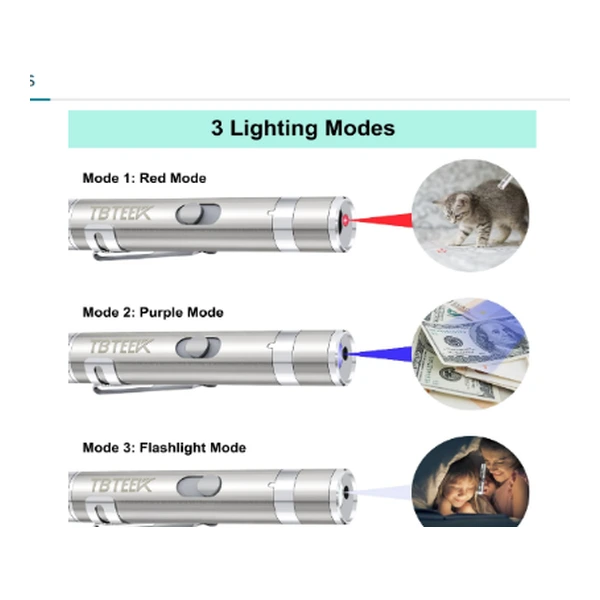
TBTeek Rechargeable Interactive Laser Pointer (5 Patterns)
When your cat becomes intensely fixated on blank drywall, redirect their predatory focus into healthy physical exercise. This USB-rechargeable pointer features 5 switchable patterns (red dot, mouse, butterfly, star, and smiley face) and eliminates the need for disposable batteries. Finish play sessions by pointing the laser onto a physical treat or kicker toy so your cat satisfies their capture sequence.
Check Price on Amazon →4. Predatory Ambush Memory & The Waiting Game
Felines are not pursuit hunters like canines; they are classic sit-and-wait ambush predators. In the wild, an African wildcat will sit motionless outside a rodent burrow for hours without moving a single muscle, knowing that premature movement will alert prey.
If your indoor cat saw a moth, spider, or fly land on the corner molding earlier that morning, their brain files that location away as an active hunting zone. Even if the insect escaped hours ago, the cat will return to that exact wall location and wait in predatory vigilance. For high-drive cats, this bottled-up hunting instinct often boils over into the explosive 3 AM zoomies when night falls.

YVE LIFE Interactive Automatic Cat Laser Toy (4th Gen)
Satisfy your cat's unspent predatory drive even when you are busy or out of the house. This 4th-generation automatic laser features dual motors with unpredictable, random trajectories that mimic live prey scurrying across floors and walls. Built with smart cycle timers and ultra-quiet operation, it prevents predatory boredom and channels frantic wall-staring into exhilarating fun.
Check Price on Amazon →5. Sensory Hyperesthesia & Stress-Induced Hypervigilance
Cats are creatures of absolute environmental routine. When an indoor cat experiences chronic stress, household changes (new pets, construction, moving furniture), or sensory overstimulation, their autonomic nervous system enters a state of persistent hypervigilance.
In this heightened state, cats often sit facing a wall or corner as a defensive mechanism: by placing their back against the open room and watching a corner, they reduce the visual stimulus field they need to monitor. In severe cases, this correlates with Feline Hyperesthesia Syndrome (FHS)—a condition characterized by rippling back skin, frantic sudden grooming of the flank or tail, dilated pupils, and vocal staring into corners. For more on stress triggers, read our comprehensive guide on recognizing subtle feline anxiety signs.
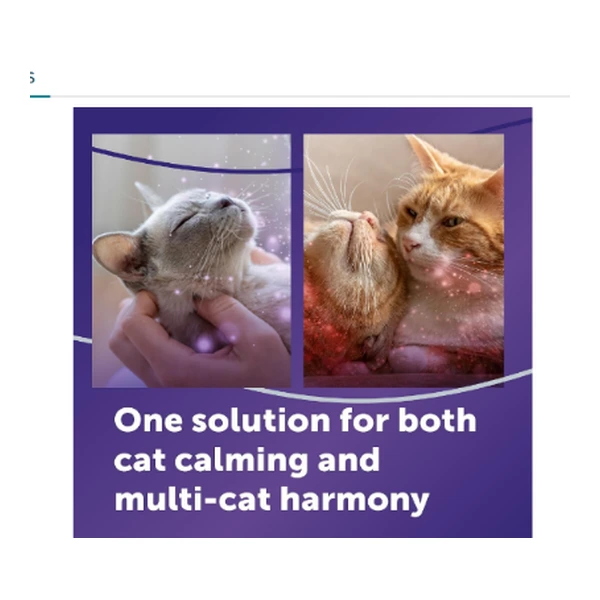
FELIWAY Optimum Cat Calming Pheromone Diffuser Kit
Veterinary-recommended and backed by clinical research, FELIWAY Optimum uses an advanced feline pheromone complex that mimics the natural comforting signals mother cats produce. It helps soothe nervous hypervigilance, reduces stress-induced corner staring, spraying, and unprovoked hiding, restoring harmony and security across up to 700 square feet.
Check Price on Amazon →6. Feline Cognitive Dysfunction (Cat Dementia) in Senior Pets
If your cat is over the age of 11 and exhibits frequent, aimless staring into walls or corners, the cause is frequently neurological. Feline Cognitive Dysfunction (FCD) affects more than 50% of cats aged 15 and older, functioning similarly to Alzheimer's disease in humans.
Veterinarians diagnose FCD using the DISHA diagnostic framework:
- D – Disorientation: Wandering aimlessly, getting trapped behind open doors, staring blankly at corners, or failing to recognize familiar family members.
- I – Interactions: Decreased interest in affection, clinging uncharacteristically, or showing sudden unprovoked irritability.
- S – Sleep-Wake Cycles: Pacing and yowling loudly in the middle of the night (nocturnal vocalization) while sleeping deeply throughout the day.
- H – House Soiling: Missing the litter box or forgetting where the litter tray is located.
- A – Activity Changes: Aimless wandering, decreased self-grooming, or prolonged periods of unresponsive staring into blank spaces.
7. Neurological Emergencies: Focal Seizures vs. Head Pressing
While curiosity and sensory tracking account for over 90% of wall staring episodes, there are two distinct neurological presentations that require immediate veterinary intervention:
A. Focal Seizures (Partial / Absence Seizures)
Unlike grand mal seizures where a cat falls onto their side and convulses violently, focal seizures originate in a localized region of the feline brain. During a focal seizure, a cat may:
- Freeze mid-step and stare fixedly into space or a wall for 30 to 90 seconds.
- Exhibit rhythmic whisker twitching, rapid eye blinking, or sudden jaw chomping (fly-catching behavior).
- Experience sudden skin rippling, tail twitching, or copious drooling.
- Appear completely unresponsive to their name or touch until the episode resolves, followed by a dazed post-ictal state.
B. Head Pressing (Immediate Medical Red Alert)
Do not confuse visual staring with physical head pressing. If your cat is not simply gazing at a wall, but is actively pressing the crown of their head, forehead, or face firmly against a wall, door, floor, or solid furniture piece, this is a life-threatening medical emergency.
Head pressing indicates severe intracranial pressure, brain swelling, or acute toxicity, caused by:
- Hepatic Encephalopathy: End-stage liver failure or congenital portosystemic shunts that cause toxic ammonia buildup in the bloodstream, crossing the blood-brain barrier.
- Intracranial Tumors: Meningiomas or brain masses exerting mechanical pressure on the forebrain and thalamus.
- Severe Encephalitis / Meningitis: Central nervous system infections caused by FIP (Feline Infectious Peritonitis), toxoplasmosis, or fungal cryptococcosis.
- Acute Toxin Ingestion: Exposure to heavy metals (lead), antifreeze (ethylene glycol), or toxic essential oils. (See our guide on why essential oils and mint are dangerous to cats).
Emergency Notice: If your cat is pressing their head into a wall or corner, do not wait. Transport them to the nearest 24-hour veterinary emergency hospital immediately.
Comparison: Normal Sensory Staring vs. Boredom vs. Medical Distress
| Behavioral Metric | Normal Sensory Staring | Boredom & Under-Stimulation | Medical / Neurological Sign |
|---|---|---|---|
| Responsiveness | Snaps to attention instantly when called, touched, or offered a treat. | Eagerly engages when a toy or wand is introduced. | Unresponsive, dazed, dilated pupils unaware of owner voice. |
| Head & Body Posture | Head upright, ears rotating independently like radar dishes. | Slouching or loafing near wall; listless posture. | Head physically pressing against drywall, circling, or stumbling. |
| Vocal Behavior | Silent or chattering quietly as if stalking prey. | Occasional plaintive meowing seeking interaction. | Loud, disoriented night howling (yowling) or vocal confusion. |
| Cat Age Demographic | Kittens and energetic adult cats of all ages. | Indoor cats lacking vertical perches or enrichment. | Most common in senior cats (11+) or cats with toxin exposure. |
The 5-Step At-Home Diagnostic Checklist for Pet Parents
The next time you catch your feline gazing into a blank wall, run through this veterinarian-recommended 5-step evaluation:
- Perform the 'Snap-Back' Test: Call your cat's name gently, tap the floor, or open a bag of crunchy treats. A healthy cat tracking a sensory trigger will immediately pivot their ears or break their gaze. If they remain frozen and glassy-eyed, take note of the duration.
- Inspect the Target Area Up Close: Place your ear directly against the drywall. Can you hear faint water rushing through pipes, a humming refrigerator compressor on the other side, or scratching sounds? Shine a flashlight along the baseboard to inspect for spiders, ants, or tiny beetle movements.
- Examine the Ambient Lighting: Look at windows, glass picture frames, or chandeliers. Is a car headlight or passing breeze causing a shadow or light glint to bounce against that specific wall?
- Check Physical Contact: Ensure their forehead or skull is not making firm contact with the surface. If their skull is pressed against the wall, transport them to an emergency vet immediately.
- Enrich Their Indoor Environment: If your cat is simply bored, enhance their daily stimulation with vertical territory such as indoor cat window perches, cardboard exploration structures like boxes and tunnels, and interactive play sessions twice daily.
Comparison: Top Enrichment & Monitoring Essentials
| Product | Best For | Key Benefit | Action |
|---|---|---|---|
| TP-Link Tapo 1080P Pet Camera | Nocturnal monitoring | Infrared night vision & pest detection | Check Price on Amazon |
| TBTeek Rechargeable Laser Pointer | Active play redirection | 5 patterns & USB rechargeable convenience | Check Price on Amazon |
| YVE LIFE Automatic Laser Toy | Autonomous hunting play | Unpredictable random trajectories & timer | Check Price on Amazon |
| FELIWAY Optimum Calming Diffuser | Anxiety & hypervigilance | Enhanced pheromones ease stress & hiding | Check Price on Amazon |
Frequently Asked Questions About Cats Staring at Walls
Why does my cat stare at a blank wall for hours?
Cats possess ultrasonic hearing reaching up to 64,000 Hz, allowing them to pinpoint the movement of mice, termites, or water through plumbing inside wall cavities. What appears like an empty wall to you is an active acoustic stage to your cat.
What are cat 'greebles'?
'Greebles' is a popular internet slang term for imaginary entities that cats appear to track across empty walls and ceilings. In scientific reality, greebles are microscopic dust motes floating on air thermals, near-ultraviolet light reflections, or tiny insects moving across surfaces that human eyes fail to register.
What is the difference between wall staring and head pressing?
Staring is visual or auditory curiosity where the head remains upright and the ears actively swivel toward sensory cues. Head pressing is when a cat actively pushes their forehead firmly against a wall, door, or solid surface. Head pressing is a life-threatening neurological emergency requiring immediate veterinary attention.
Can staring at walls be a sign of cat dementia?
Yes. In senior cats (ages 11 and older), frequent aimless staring into walls or getting trapped in room corners—especially when accompanied by disoriented nighttime yowling, changes in sleep cycles, or house soiling—is a hallmark symptom of Feline Cognitive Dysfunction (FCD).
How can I tell if my cat is hearing something inside the wall?
Watch your cat's ears. If their pinnae are swiveling independently like radar dishes toward a specific junction in the drywall, their whiskers are angled forward, and their pupils are moderately dilated in focus, they are acoustically tracking vibrations or pests inside the wall void.
Final Verdict: Appreciating Your Cat's Superhuman Senses
While it is fun to joke during spooky autumn evenings that our feline companions are communing with ghosts or banishing Halloween ghouls, the true explanation for wall staring is a tribute to millions of years of evolutionary mastery. Your cat's eyes detect ultraviolet spectra you cannot perceive; their ears register ultrasonic frequencies of hidden wall critters you will never hear; and their predatory instincts keep them ever-vigilant.
As long as your cat snaps out of their trance when called, remains playful, and does not exhibit emergency signs like physical head pressing or disoriented senior yowling, you can smile knowing their incredible biological radar is simply doing what felines do best. Equip your home with engaging toys like the TBTeek Interactive Laser Pointer, monitor mysterious night activity with the TP-Link Tapo Pet Camera, and provide soothing comfort with FELIWAY Optimum to keep your sharp-eared hunter happy, stimulated, and safe!